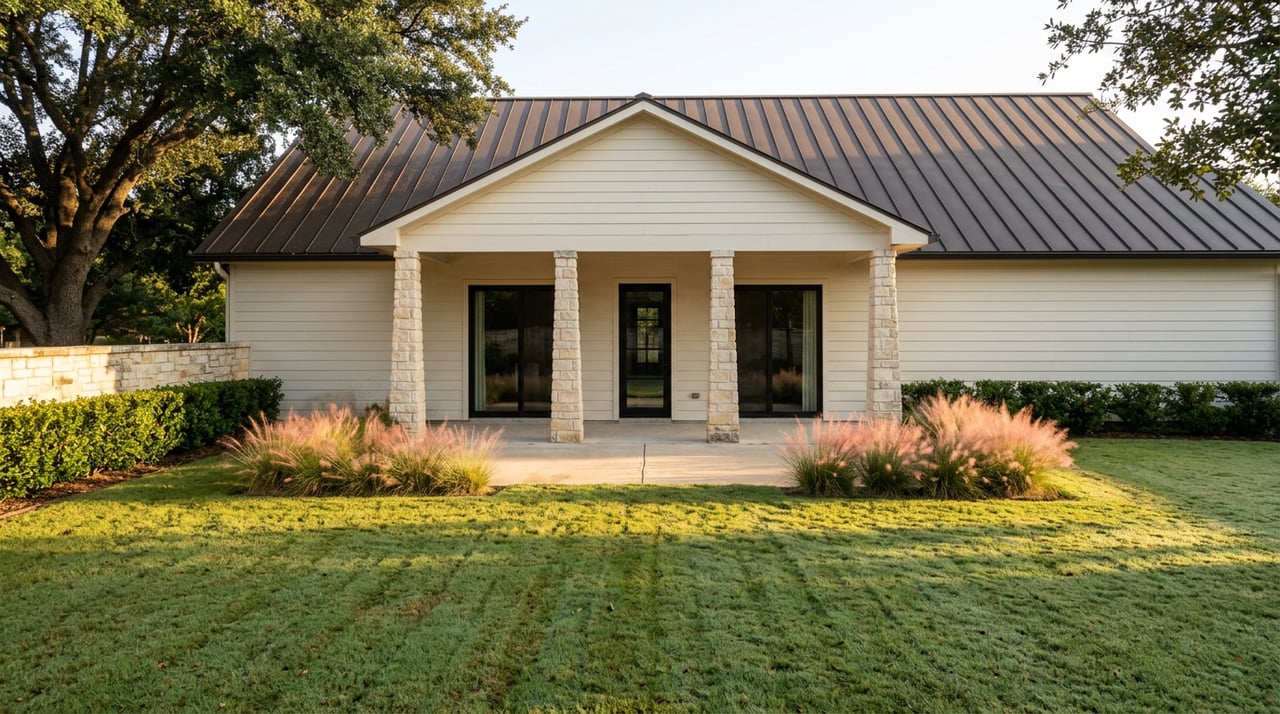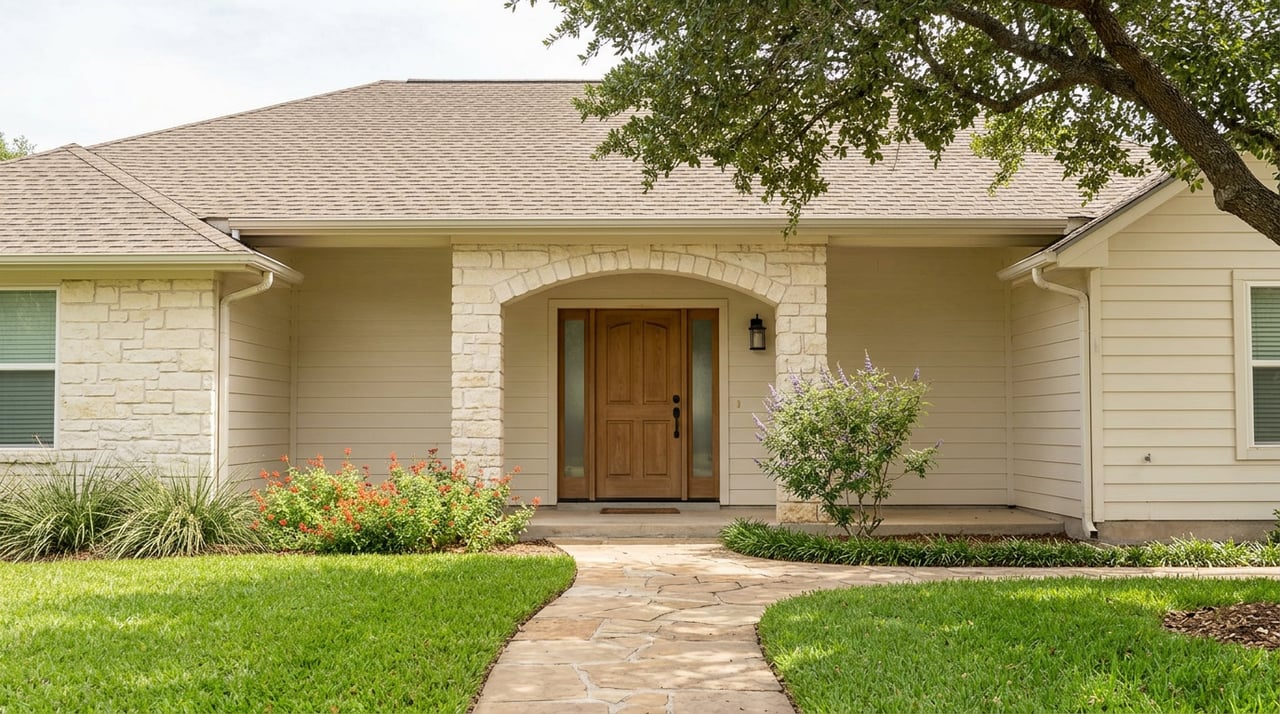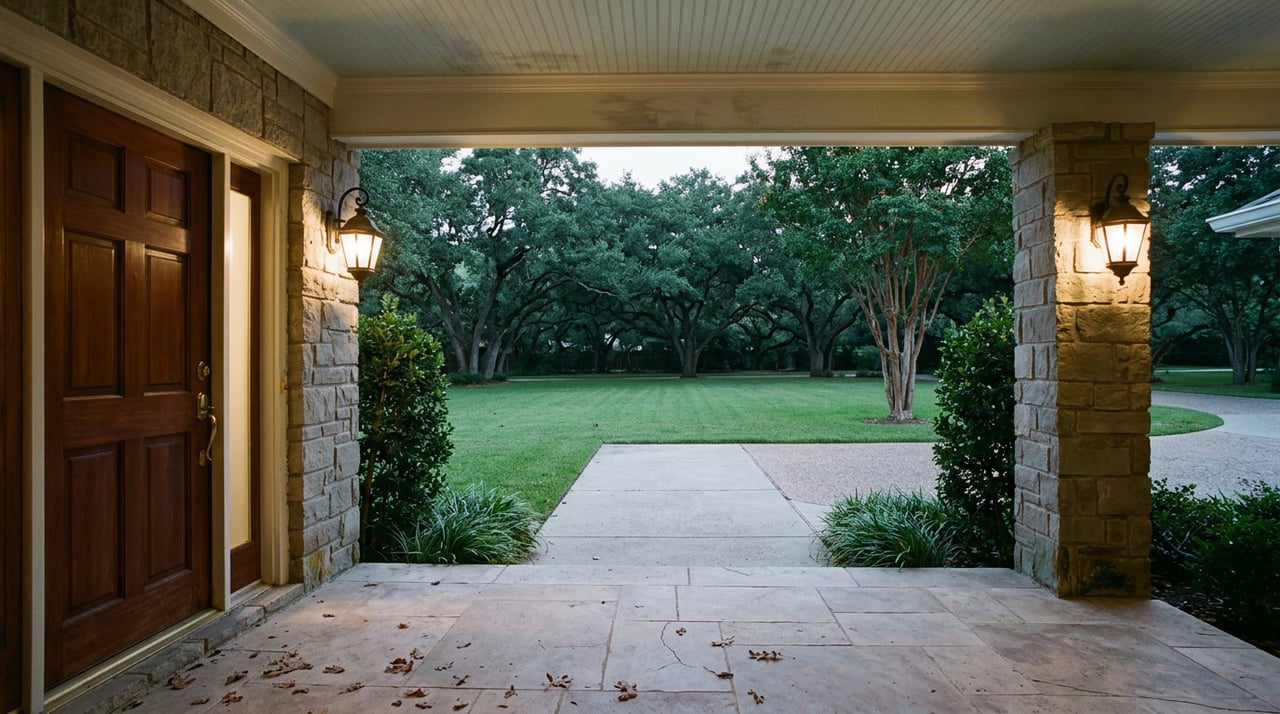
Trying to choose between Temple and Belton? You are not alone. Both are great Central Texas choices with different day-to-day rhythms, housing options, and access to the outdoors. In this guide, you will learn how the two stack up on homes, commutes, parks and lakes, taxes and utilities, and everyday conveniences. You will also get a simple plan to test each city so you can feel confident about your move. Let’s dive in.
How to decide quickly
If you want a faster decision, focus on five things: housing fit, commute, outdoor access, total monthly costs, and errand convenience. Each factor can feel different from one address to the next, even within the same city. The steps below show you what to compare and how to verify current details before you buy.
Housing and neighborhoods
Temple housing snapshot
In Temple, you can expect a wider variety of homes. You will see older cottages and brick houses near the traditional downtown, mid-century ranch homes in established neighborhoods, and a healthy mix of newer subdivisions. Townhomes and planned communities appear more often here, especially on the edges of the city where builders are active. This variety usually translates to more choices across price points and conditions, from move-in-ready to update-friendly.
Belton housing snapshot
Belton leans more toward single-family homes with a smaller-city feel. Near the historic square, you will find older homes with character. Closer to Lake Belton and the rural fringe, you will see larger lots, ranch-style properties, and neighborhoods positioned for easier lake access. Newer subdivisions with community amenities also exist, but the overall scale is smaller and the feel is more relaxed.
What to verify now
To get a clear read on the market, check these items side by side:
- Current median sale price and 12-month change for each city.
- Months of inventory, median days on market, and sale-to-list price.
- Share of sales that are new construction.
- Typical year built and lot size by neighborhood or ZIP.
Where to look: your agent’s MLS snapshot for each city, major home search portals for quick trends, Bell County Appraisal District for parcel and year-built data, and city permit dashboards for builder activity. Ask your agent for recent comps that match the age, style, and condition you prefer. If you are eyeing new construction, compare HOA rules, community amenities, and builder warranties across subdivisions.
Commutes and getting around
Temple daily drives
Temple functions as a regional hub, so many commutes are within the city to medical, retail, and service jobs. You will have quick access to the main north-south interstate corridor for trips to nearby cities. Neighborhoods close to employment centers can trim daily drive time and make lunchtime errands easier. Bicycle and walking options tend to be stronger around the core and parks, while outer subdivisions are more car focused.
Belton daily drives
Belton’s network is smaller, which many residents like because it feels simple and calm. If you work in Temple, Killeen-Fort Cavazos, or toward Waco or Austin, you will likely hop onto the interstate corridor or major cross routes. Weekend traffic around the lake can add a few minutes near popular access points, especially during peak seasons. Inside the historic core, you will find a walkable grid and easy parking for short trips.
How to test your commute
Run three live route checks at peak times. Use a mapping app to compare your top two candidate neighborhoods in each city to your daily destination at 7:30 a.m., noon, and 5:15 p.m. Repeat for a second worksite if your schedule varies. For background context, review the latest American Community Survey for mean travel time and mode share, and use LEHD OnTheMap to see home-to-work flows. For corridor volumes and bottlenecks, consult TxDOT traffic counts and then ground-truth your findings with a real-time drive.
Parks, lakes, and trails
Belton and Lake Belton
If lake life sits at the top of your list, Belton stands out. Proximity to Lake Belton means faster access to boat ramps, fishing, and day-use recreation areas. You will find a range of public access points managed by the U.S. Army Corps of Engineers, plus nearby spots for paddling and shoreline picnics. If you plan to be near the water, check FEMA flood maps and local floodplain rules, and factor insurance and elevation into your decision.
Temple parks and greenways
Temple offers a robust system of city parks, trails, and community facilities. You can expect multiple playgrounds, sports fields, dog areas, and indoor recreation options, depending on the neighborhood. Temple residents still enjoy Lake Belton with a short drive, but your daily routine may center more on in-city parks and greenways. For many buyers, a Temple address offers the best mix of neighborhood parks and convenient lake trips.
Weekend check plan
- Time your drive from a representative Temple neighborhood to two different Lake Belton boat ramps during a Saturday morning.
- From a Belton address, test drive times to the lake at 8 a.m. and 3 p.m., as well as to a large in-city park.
- Walk a mile on a city trail in each community to compare shade, surfaces, and crossings.
- Confirm whether public restrooms, water fountains, boat storage, or equipment rentals are available for your favorite activities.
Taxes, utilities, and monthly costs
Property tax basics
In Texas, your property tax bill combines multiple jurisdictions. Expect a county rate plus a city rate if you are inside city limits, the local school district rate, and any special districts such as a municipal utility district. Two similar homes just a few blocks apart can have different total rates, especially near district boundaries. To compare addresses, pull the parcel and most recent bill details from the Bell County Appraisal District, then price out a realistic tax estimate based on your target purchase price.
Utilities and services to compare
- Electricity: Many Bell County addresses are in a deregulated market with retail provider choice, while some areas are served by municipal or co-op utilities. Ask about average monthly usage for the last 12 months.
- Water and sewer: Usually city-run or a co-op, with base charges and tiered usage. Confirm wastewater and solid waste fees.
- Trash and recycling: City service in many areas, sometimes contracted through private haulers. Verify cart sizes, pickup schedules, and bulk rules.
- Natural gas: Availability varies by neighborhood, so check service maps.
- Broadband and cell: Use provider coverage tools and the FCC map to confirm speeds and reliability at the exact address.
For new builds, also ask about impact fees and connection charges. For lakeside or riverside homes, include flood insurance quotes in your monthly budget even if the home is outside the highest risk zone.
Other recurring items
If you are comparing master-planned neighborhoods, look closely at HOA dues, amenity access, and restrictions. In newer subdivisions, builder warranties may reduce early repair costs. In older homes, factor in likely updates like roofs, HVAC, and windows within your first five to ten years. If acreage appeals to you, plan for well or septic maintenance if applicable, as well as fencing and outbuilding upkeep.
Everyday conveniences
Temple errands and services
Temple’s larger commercial footprint means more grocery options, pharmacies, and retail clusters across several corridors. The city also hosts major medical centers that draw patients from across the region, which can be a major plus if you value quick access to specialists. Dining runs the range from local staples to big-box adjacent restaurants. Outside of downtown and older neighborhoods, most errands are car-based, though parking is straightforward.
Belton daily rhythm
Belton’s historic downtown square gives you a walkable, small-city core with local shops, services, and restaurants in a tight grid. Outside the core, you will rely more on short drives to grocery and daily services. Many residents view the tradeoff as worth it for the quiet pace and quicker routes to the lake. Weekend events and seasonal gatherings often center around downtown, which adds to the community feel.
One-week test drive
- Do your normal grocery run on a weeknight in both cities, time the round trip, and note parking and checkout times.
- Refill a prescription at the nearest pharmacy, then find the closest urgent care and hospital entrance for a dry run.
- Try two local restaurants for lunch, and a casual dinner on a Friday.
- Walk a typical block near your favorite listing and note sidewalks, lighting, and noise.
- Check indoor and outdoor cell signal at the property and at a nearby park.
- Ask the seller or builder for the last 12 months of utility bills where possible.
Sample neighborhood tour
If you lean Temple
- Older inner-city or downtown blocks: Look for character homes near shops, cafes, and parks. Expect smaller lots and walkable streets.
- Mid-century neighborhoods near medical and retail corridors: Single-story ranch homes, mature trees, solid bones, and quick access to services.
- New subdivisions on the outskirts: Builder amenities, community pools or trails in some cases, and more modern floor plans.
If you lean Belton
- Historic downtown neighborhoods: Older homes with architectural charm close to the square and small businesses.
- Lakeside or rural-lot areas near Lake Belton: Larger lots, boat storage options, and a short drive to water access points. Check floodplain details.
- Newer suburban subdivisions: Community amenities, sidewalks, and a quieter neighborhood scale.
Use the same evaluation checklist in each place: drive the commute at peak times, compare grocery and pharmacy access, walk the block, and verify utilities and taxes by address.
How Rachel helps you decide
You do not have to sort all of this alone. With deep, local experience in Temple–Belton, builder relationships, and hundreds of successful closings, Rachel brings the on-the-ground detail that turns a good choice into the right choice. She can pull real-time MLS market snapshots, verify tax jurisdictions and utility providers for specific addresses, and flag HOA or floodplain considerations before you make an offer. If you are looking at new construction, acreage, or lake-view property, her team can guide you through lot selection, builder comparisons, and site-specific due diligence.
When you are ready, schedule a focused tour that covers your top two neighborhood types in each city. In one afternoon, you can test commute routes, preview a few homes, and feel the rhythm of each area. By the end, you will know which city fits your move.
Ready to compare your short list with local expertise on your side? Connect with Rachel Holman to map your next steps.
FAQs
How do property taxes differ between Temple and Belton?
- Pull sample parcels from the Bell County Appraisal District to compare total tax rates by address, including county, city, school district, and any special districts.
Which city offers shorter commutes for regional jobs?
- Test live routes from your target neighborhoods at 7:30 a.m. and 5:15 p.m. to your workplace, then confirm broader patterns with American Community Survey data and LEHD OnTheMap.
How do Temple and Belton differ for lake access?
- Belton is closer to Lake Belton and its public boat ramps, while Temple offers strong in-city parks with a short drive to the lake, so compare real drive times at weekend peaks.
Are utilities typically higher in one city?
- It depends on the address and providers, so request 12 months of utility bills for specific homes and compare water, sewer, trash, electricity, gas, and broadband options.
Where should I look if I want new construction?
- Both Temple and Belton have new-build activity on the outskirts, so compare builder inventory, HOA details, and warranty coverage with your agent’s current MLS and permit data.