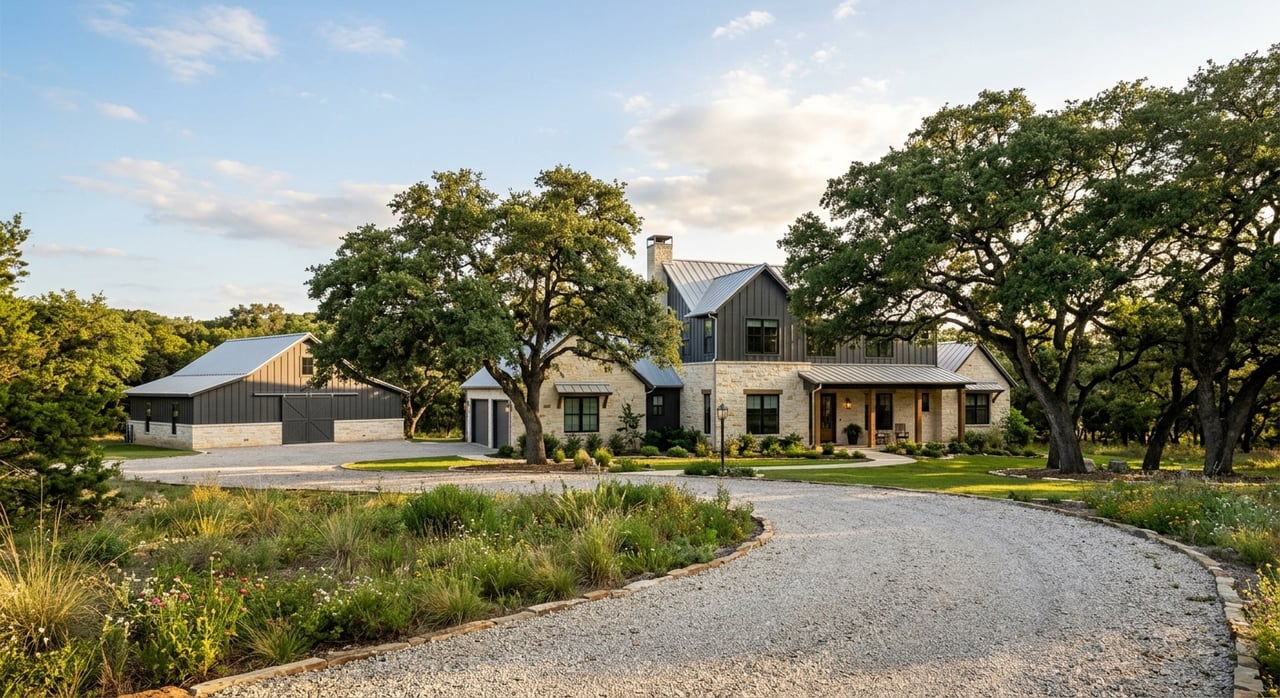
Dreaming about a little more elbow room without giving up Temple convenience? Small-acreage living near Temple can offer that balance, but it also comes with daily responsibilities that look very different from life on a standard city lot. If you are weighing the lifestyle, this guide will help you understand the real trade-offs, the practical questions to ask, and the rewards that make many buyers feel it is worth it. Let’s dive in.
Why Small Acreage Near Temple Appeals
Small acreage near Temple stands out because you can enjoy more space while staying connected to work, services, and regional travel routes. The City of Temple identifies its location near the geographic center of Texas and highlights access to I-35, I-14, SH 36, SH 53, SH 93, and SH 95. That mix can make it easier to enjoy a quieter setting without feeling cut off from everyday needs.
Temple also functions as a regional center for manufacturers, distribution centers, and medical facilities. For many buyers, that means you do not have to choose between room to spread out and access to jobs, shopping, and healthcare. You can live on land and still keep a practical daily routine.
Another plus is the recreation base nearby. City budget materials describe Temple’s system as more than 60 parks and more than 20 trails, along with recreation centers, pools, and a family water park. That gives you the option to enjoy privacy at home while still having plenty to do around town.
Everyday Rewards of Acreage Living
One of the biggest rewards is simple: space. Even a small tract can give you more breathing room, more separation from neighboring homes, and more flexibility in how you use your property. For many buyers, that lifestyle benefit is the main reason to start looking beyond standard subdivisions.
Acreage can also create a different pace at home. You may enjoy quieter mornings, more room for outdoor projects, and the feeling of having a property that lives a little larger than a typical lot. That extra room often changes how you use your home day to day.
Near Temple, the appeal is even stronger because you are not necessarily far from city amenities. You can enjoy land and still reach parks, shopping, major roads, and local services without a major lifestyle reset. That balance is what keeps small-acreage properties in this area attractive.
More Land Means More Maintenance
The part buyers sometimes underestimate is maintenance. Temple’s climate can make landownership feel more hands-on than expected, especially in the warmer months. According to the National Weather Service climatology data for Temple, average highs reach 94.6°F in July and 95.7°F in August, with annual precipitation of 36.11 inches.
In real life, that often means more mowing, more weed control, more fence upkeep, and more planning around the heat. A larger yard or small tract does not take care of itself, and outdoor work can become part of your regular routine. If you love the idea of land, it helps to be honest about how much time and effort you want to put into it.
Water use also becomes more noticeable on acreage. With more ground to manage, irrigation decisions and conservation habits can matter more than they would on a smaller lot. That is especially relevant in Temple, where the local water context includes supply from the Leon River and additional purchased supply from Lake Belton.
Utilities Can Vary by Property
One of the most important things to understand is that utility setup is not the same on every small-acreage property near Temple. The City of Temple’s 2024 water conservation plan states that the city served 91,751 retail water customers in 2023, had 43,679 total active connections as of January 1, 2024, and covered a 109.64-square-mile retail service area. The same plan says Temple had wastewater service for 86,100 people.
That tells you some acreage properties may have access to city services, but not all of them will. You should verify water and sewer availability for each property instead of assuming the setup will match another tract nearby. This is one of those details that can shape both your budget and your long-term ownership experience.
If a property is not connected to city sewer, septic may be part of the picture. That is not automatically a problem, but it does mean you need to understand the system, its condition, and the local requirements that come with it.
Septic Is More Than a Hidden System
In Bell County, septic systems come with real rules and responsibilities. The Texas Commission on Environmental Quality says permits are required for on-site sewage facilities, and the Bell County Public Health District regulates OSSFs in Bell County. The county also requires site evaluation and approval before construction.
For some systems, Bell County requires a continuous maintenance contract plus a deed-record notice that transfers with the property. That means septic is not just something buried underground that you rarely think about. It can affect compliance, ongoing costs, and even resale planning.
If you are considering a property with an OSSF, ask clear questions early. You will want to know what type of system is in place, whether permits and records are available, and whether any maintenance requirements carry forward to you as the next owner.
Roads Matter More Than You Think
When buyers picture acreage living, they often focus on the house and the land. But near Temple, the road to the property can matter just as much as the acreage itself. Bell County’s road acceptance policy says roads outside city limits are not automatically county-maintained.
In some cases, roads with fewer than three occupied structures are considered private drives. County acceptance can require right-of-way, drainage easements, and landowner-paid improvements to bring the road up to county standards. That can affect your commute, deliveries, access after rain, and general day-to-day convenience.
This is why distance alone does not tell the full story. A property that looks close to Temple on a map may feel very different depending on the road condition and maintenance setup. It is smart to confirm whether the road is private, county-maintained, or city-maintained before you move forward.
Taxes and Agricultural Appraisal Questions
A lot of buyers hear the phrase “ag exemption” and assume a small tract will automatically come with lower property taxes. In Texas, that is not how it works. The Texas Comptroller says special appraisal for qualifying agricultural, timber, and wildlife-management land depends on actual use and use history, not acreage size alone.
The land must be principally devoted to agricultural use, generally for at least five of the past seven years. The Comptroller also notes that changing the land to non-agricultural use can trigger rollback tax. For land inside an incorporated city or town, additional qualification rules apply.
In practical terms, a hobby tract, a few animals, or a large yard does not automatically qualify. If tax savings are part of your plan, you need to verify whether the property truly qualifies now and whether your intended use would preserve that status.
Four Questions to Ask Before You Buy
If you want to avoid the most common acreage surprises near Temple, focus on a few key questions early in the process.
- Is the road private, county-maintained, or city-maintained?
- Is the property on city water, a rural system, or a private well?
- Is wastewater handled by sewer or by a permitted on-site sewage facility?
- Does the tract actually qualify for open-space or agricultural appraisal if that is part of your budget strategy?
These questions cover many of the issues that affect everyday ownership. They can also help you compare properties more clearly, especially when two homes look similar online but function very differently in real life.
Is Small Acreage Near Temple Right for You?
If you want more space, a quieter setting, and a property with a little more lifestyle flexibility, small acreage near Temple can be a great fit. The area offers a rare mix of room to spread out and practical access to major roads, local amenities, and regional job centers. That combination is a big part of why buyers continue to look for ranchettes and small tracts in Bell County.
At the same time, the best acreage decisions come from clear expectations. Maintenance, utility setup, septic requirements, road access, and tax questions all matter. When you understand those pieces up front, you are much more likely to end up with a property that fits both your daily life and your long-term goals.
If you are exploring small-acreage properties near Temple and want practical guidance on what to look for, Rachel Holman can help you evaluate the details that matter most.
FAQs
What makes small-acreage living near Temple appealing?
- Small acreage near Temple can offer more space and privacy while still keeping you close to major roads, jobs, shopping, healthcare, parks, and other city amenities.
What should buyers ask about utilities on small acreage near Temple?
- You should confirm whether the property has city water, another water source, city sewer, or a permitted septic system, since utility access can vary by property.
What do Bell County buyers need to know about septic systems?
- Septic systems in Bell County are regulated locally, require permitting, and some systems may require ongoing maintenance contracts and deed-record notices that transfer with the property.
Why do roads matter for small-acreage properties near Temple?
- Roads outside city limits are not automatically county-maintained, so road status can affect commute comfort, deliveries, access after rain, and future maintenance expectations.
Does a small tract near Temple automatically qualify for agricultural appraisal?
- No. Texas special appraisal depends on qualifying agricultural use and use history, not just the size of the property or the presence of a few animals.
Is small-acreage ownership near Temple more work than subdivision living?
- In many cases, yes. Larger outdoor areas often mean more mowing, weed control, fence upkeep, and heat-aware maintenance planning, especially during Temple’s hot summer months.