A home inspection can feel like the moment a deal gets real. Once the report lands in your inbox, you are no longer talking about a house in general terms. You are looking at actual conditions, actual risks, and actual decisions that can affect your timeline and your bottom line. If you are buying or selling in Temple, this guide will help you understand how inspections and repair negotiations usually work in Texas so you can move forward with more clarity and confidence. Let’s dive in.
How home inspections work in Temple
In Temple, most resale transactions use Texas Real Estate Commission, or TREC, contract forms. For one- to four-family resale homes, the standard contract is TREC Form 20-18, and the inspection period is usually tied to the option period negotiated in that contract.
That matters because the Texas inspection window is not open-ended. If you are a buyer, your ability to investigate the property and decide how to respond depends heavily on the dates and terms you agreed to up front. If you are a seller, it means inspection-related discussions usually move fast and need to stay organized.
Why the option period matters
TREC says the termination option is a negotiable contract term. If the buyer pays the agreed option fee and gives written notice during the option period, the buyer has the unrestricted right to terminate for any reason.
In practical terms, this is the window when most inspections happen and when most repair negotiations take shape. Because that timeline is short, buyers need to schedule inspections quickly, and sellers need to be ready to respond just as quickly.
What a Texas inspection actually covers
A Texas home inspection is a limited visual survey of accessible components. Under TREC Standards of Practice, it is not a guarantee, not an exhaustive investigation, and not a deep forensic review of every system in the home.
That distinction is important. Inspectors are not required to use specialized tools like thermal imaging, moisture meters, or gas detectors. They are also not required to provide repair cost estimates, repair recommendations, or re-inspection services.
So if you are expecting the inspection report to tell you exactly what every repair should cost and who should fix it, that is usually not how it works. The report is the starting point for negotiation, not the final word.
What Temple-area inspections often focus on
Temple’s climate and Bell County soil conditions help explain why certain issues come up more often. The National Weather Service reports average highs of 94.6°F in July and 95.7°F in August for Temple, along with annual precipitation of 36.11 inches in the older 1981 to 2010 normals.
Bell County also lies partly on the Blackland Prairie, where clay-heavy blackland soils are common. In a market like Temple, those conditions often put extra attention on drainage, foundation movement, roofing, and cooling systems.
Foundation and drainage concerns
In Texas, foundation and drainage are standard inspection topics. TREC requires inspectors to give a written opinion on foundation performance and to report visible signs such as sloping floors, cracks, sticking doors, and separations.
Inspectors also report drainage conditions around the foundation that are not performing properly. That can include grade deficiencies and gutter or downspout problems. In Temple, where clay soils can expand and contract with moisture changes, drainage and foundation issues are often closely related.
Roof and attic issues
Roofs and attics are another big part of the inspection process. TREC requires inspectors to identify the roof covering type, note evidence of water penetration, and report visible deficiencies with flashing, skylights, and other roof penetrations.
They also inspect visible attic conditions such as ventilation issues, missing insulation, and structural or decking concerns. At the same time, TREC does not require inspectors to determine how many years of life a roof has left or to identify every possible leak source.
HVAC performance in Central Texas heat
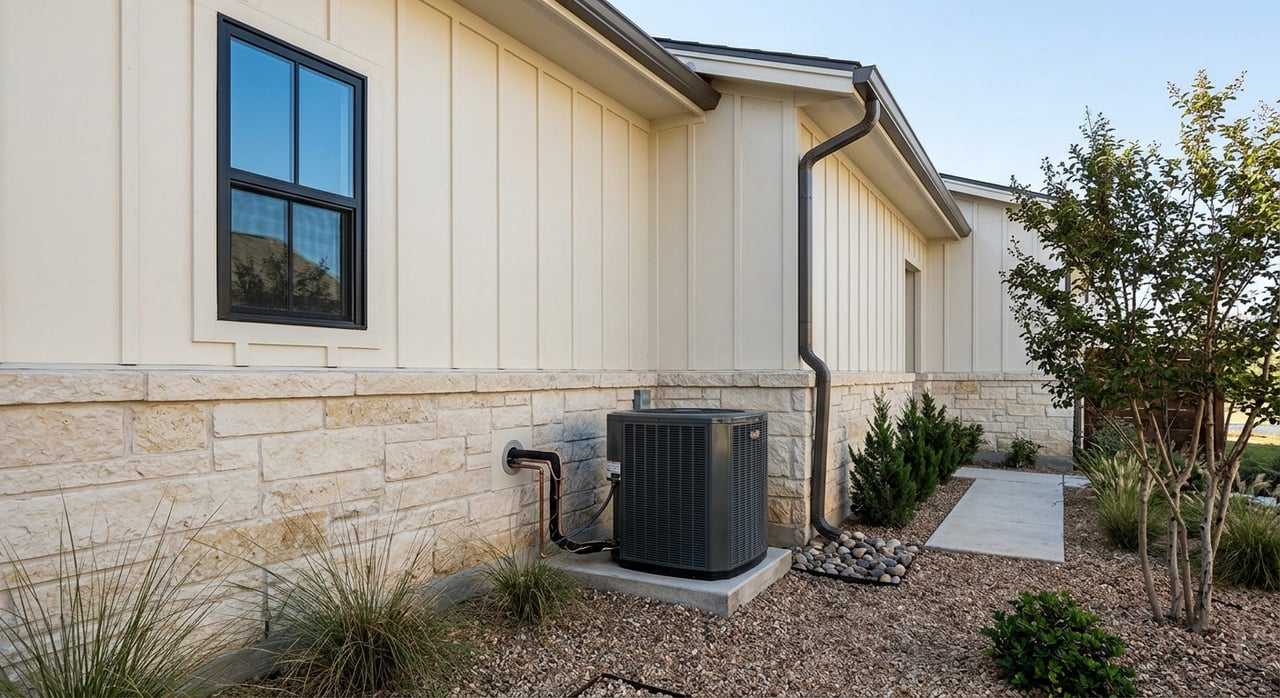
With Temple’s long hot season, cooling performance matters. TREC requires inspectors to report inoperative HVAC equipment, thermostat deficiencies, missing or damaged components, active water leaks, and other visible problems.
There is also an important limitation to know. Inspectors are not required to operate cooling equipment when outdoor temperatures are below 60°F. So depending on the weather, some inspections may include limited HVAC testing.
Plumbing and electrical items
Plumbing and electrical issues often become negotiation points because they can affect function and safety. TREC says inspectors visually check plumbing fixtures and accessible visible supply, waste, and vent piping, then report active leaks, excessive water pressure, and related deficiencies.
For electrical systems, inspectors report visible concerns such as missing or damaged panel covers, grounding defects, panel location problems, and other deficiencies. These items tend to carry more weight in negotiations than cosmetic wear.
Termites are a separate inspection
This is one area that often surprises buyers and sellers. In Texas, wood-destroying insect inspections are separate from the standard TREC home inspection.
TREC says a person reporting on wood-destroying insects must be licensed by the Texas Department of Agriculture for that work. If termite concerns are relevant, you may need a separate WDI inspection rather than relying on the general home inspection report.
How repair negotiations usually work
One of the biggest misconceptions in a Temple real estate transaction is that the seller must automatically fix everything listed in the inspection report. TREC is clear that neither the Standards of Practice nor the contract forms require a seller to remedy inspection findings.
Instead, the inspection period creates a negotiation opportunity. The buyer can identify issues they want addressed, and the seller can decide what they are willing to do. From there, the parties can reach an agreement, revise terms, or choose not to move forward.
What makes a strong repair request
The most effective repair requests are usually specific, material, and well documented. In Temple, that often means focusing on items related to:
- Foundation performance
- Drainage problems
- Roof leaks or flashing issues
- HVAC deficiencies
- Plumbing leaks
- Electrical defects
- Wood-destroying insect concerns
- Safety-related items
These concerns are generally stronger negotiation points because they affect function, safety, or the condition of major systems. Cosmetic items usually carry less leverage.
Why cosmetic requests are weaker
TREC’s consumer notice points out that inspectors are not required to report cosmetic issues like paint, stains, cabinets, or countertops. That does not mean buyers never care about cosmetic condition. It just means those items are usually not the center of a productive repair negotiation.
If you are buying, it often helps to separate what is inconvenient from what is important. If you are selling, it helps to understand that buyers are more likely to gain traction when their requests involve water intrusion, safety concerns, or major system performance.
Why Texas repair language must stay specific
Texas contracts are document-driven, and vague language can create problems. TREC warns buyers not to leave Paragraph 7D blank or use open-ended wording such as repairs to be listed after inspection.
If a repair item matters enough to negotiate, it should be identified clearly and put in writing. In Temple, where one issue like poor drainage can connect to foundation movement, gutter corrections, and grading work, specifics matter even more.
How repair agreements are documented
When the parties agree to changes after the contract is executed, they usually document those changes with a TREC Amendment to Contract. That amendment can be used to change the sales price, adjust dates, shift costs, or extend the option period with an additional option fee.
It can also document agreed repairs and clarify who is paying for what. In Texas, clean paperwork is not just helpful. It is essential to keeping the transaction on track.
Why invoices and repair records matter
TREC’s form framework also highlights the importance of documentation after repairs are completed. The seller may need to provide documentation from the repair person showing the scope of work and proof of payment, along with any transferable warranties at closing.
For sellers, this is a great reason to keep organized records. For buyers, it is a reminder that a vague promise to fix something is not the same as clear written proof that the work was completed.
What buyers in Temple should do
If you are buying in Temple, use your option period strategically. The inspection is limited, the deadline is short, and your best leverage usually comes from identifying meaningful issues early.
A smart approach is to prioritize concerns tied to structure, drainage, roofing, HVAC, plumbing, electrical systems, and wood-destroying insects. Those are the items most likely to affect your ownership costs and your comfort in the home.
What sellers in Temple should do
If you are selling, it helps to reduce friction before the buyer’s inspection ever happens. Since Temple-area transactions often raise questions about drainage, roof condition, and foundation performance, even basic pre-listing maintenance can make the process smoother.
Just as important, keep records for any repairs you have already completed. Invoices, scope-of-work details, and warranty information can make negotiations faster and more credible when a buyer asks questions.
Why local guidance makes a difference
Inspection reports can feel overwhelming because they often mix minor maintenance items with more serious concerns. What matters most is knowing which items deserve attention, which ones are common, and how to negotiate them without losing momentum.
That is where a local, experienced approach can help. In a Temple transaction, understanding how climate, soil, and Texas contract practices intersect can make the difference between a stressful back-and-forth and a clear, outcome-focused negotiation.
If you are preparing to buy or sell in Temple and want help navigating inspections, repairs, and next steps, connect with Rachel Holman for practical guidance and responsive support throughout the process.
FAQs
What does a home inspection in Temple, Texas include?
- A standard Texas home inspection is a limited visual review of accessible systems and components, including areas like foundation, roof, attic, HVAC, plumbing, and electrical, based on TREC Standards of Practice.
Can a buyer cancel a Temple home contract after the inspection?
- If the contract includes an option period and the buyer pays the agreed option fee, the buyer can terminate during that option period by giving written notice within the deadline.
Does a seller have to fix everything on a Temple inspection report?
- No. TREC says sellers are not automatically required to repair items found during an inspection, so repairs are typically negotiated between the parties.
What repair issues matter most in a Temple home sale?
- The strongest negotiation points are usually issues involving foundation performance, drainage, roof leaks, HVAC problems, plumbing leaks, electrical defects, safety concerns, and wood-destroying insect findings.
Are termite inspections part of a standard Temple home inspection?
- No. In Texas, wood-destroying insect inspections are separate and must be reported by someone licensed for that work through the Texas Department of Agriculture.
How are repair agreements documented in a Temple, TX transaction?
- Agreed changes are typically documented in writing through a TREC amendment, which can spell out repairs, timing, cost allocation, and other contract updates.