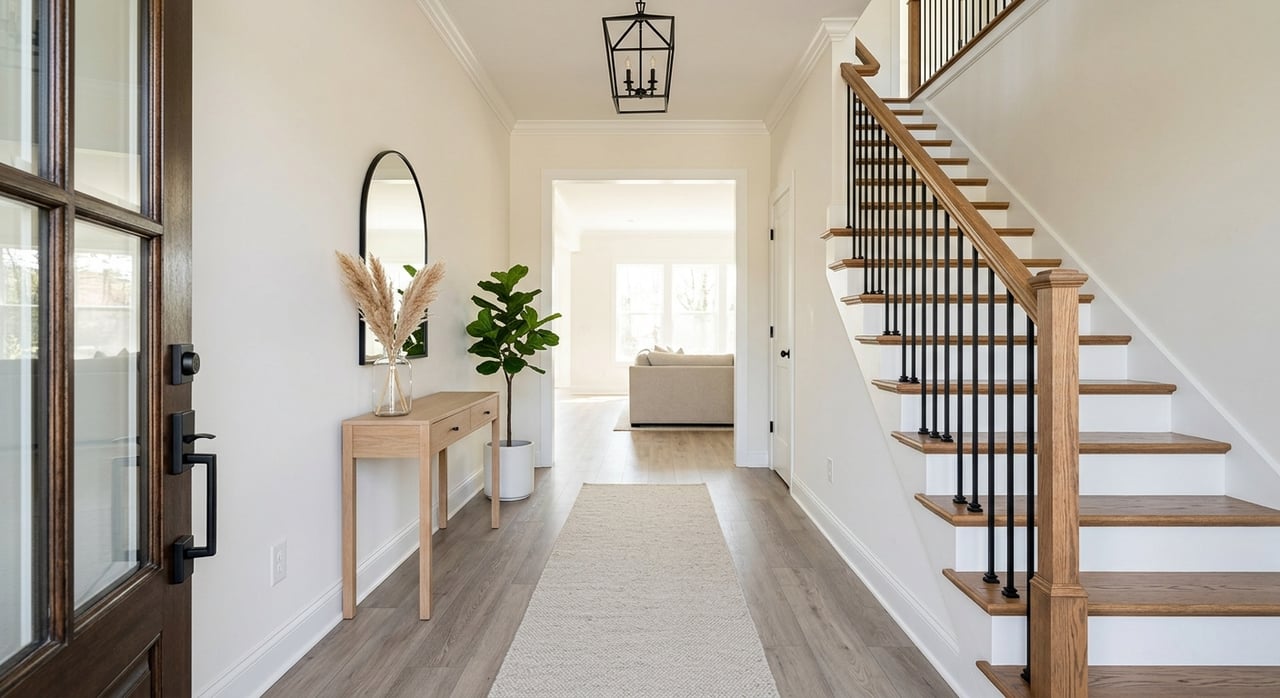
If your home is about to hit the market in Temple, you may be wondering what actually makes a difference and what is just extra work. In a market where buyers often have options and homes can sit for weeks or even months, presentation matters more than many sellers expect. The good news is that you do not need a full remodel to make a strong impression. With the right prep, you can help your home look cleaner, feel more move-in ready, and compete better from day one. Let’s dive in.
Why prep matters in Temple
Temple’s housing data points vary by source, but the overall story is consistent. Typical values and sale prices are in the mid-$200,000s, and time on market is often measured in roughly two to three months, not a few days.
That matters because buyers usually have time to compare homes carefully. In this kind of market, strong presentation, clean condition, and accurate pricing can help your home stand out instead of blending in.
Start with what buyers see first
Before a buyer notices square footage or upgrades, they notice how your home feels. If it looks crowded, unfinished, or poorly maintained, they may assume bigger issues exist, even when they do not.
Many Temple buyers are also comparing resale homes with new construction. That means visible wear, unfinished projects, and obvious repair needs can carry more weight than they would in a faster market.
Focus on move-in-ready appeal
Buyers who are drawn to newer homes often want to avoid repairs or renovations. For a resale home, that makes your goal simple: show that the home feels cared for, functional, and easy to move into.
You do not need perfection. You do need to reduce distractions so buyers can picture themselves living there.
Declutter and make each room easy to read
One of the highest-impact steps is also one of the most affordable. Decluttering helps rooms look larger, cleaner, and easier to understand in photos and in person.
According to the National Association of Realtors 2025 staging report, 83% of buyers’ agents said staging made it easier for buyers to visualize a home. The same report found that 49% of sellers’ agents said staging reduced time on market.
What to remove before listing
Walk through your home and look for anything that makes a space feel busy or smaller than it is. You want each room to have a clear purpose and a simple layout.
Consider removing or storing:
- Excess furniture
- Personal photos
- Crowded countertop items
- Bulky storage pieces
- Toys or pet items that dominate a room
- Seasonal decor
- Items stacked on top of cabinets or shelves
Keep the layout simple
Try to arrange furniture so buyers can see the room size and flow easily. If a room has too much furniture, it can feel tighter in listing photos and during showings.
This is especially important in main living spaces, primary bedrooms, and dining areas. Clean sightlines help the floor plan feel more open and functional.
Prioritize visible repairs over big remodels
Many sellers think they need to take on major updates before listing. In most cases, that is not the best return right before your home goes on the market.
The better strategy is to fix the things buyers will notice right away. Small cosmetic and maintenance issues often do more damage than outdated finishes because they raise questions about how well the home has been cared for.
High-payoff fixes to consider
NAR’s 2025 Remodeling Impact Report found that the top seller-recommended projects included painting the entire home, painting a single interior room, and replacing the roof when needed. The same report also showed strong cost recovery for replacing a front door.
Before listing, focus on improvements like:
- Touch-up or full interior paint where walls look worn
- Replacing damaged or dated front entry features when needed
- Fixing loose hardware, squeaky doors, or scuffed trim
- Repairing visible drywall damage
- Replacing burned-out light bulbs
- Addressing roof issues if they are obvious or documented
- Refreshing closets if they look cramped or unfinished
Fresh paint still goes a long way
Paint is one of the simplest ways to make a home feel cleaner and more current. If your walls are marked up, dark, or highly personalized, a fresh neutral paint color can help buyers focus on the home instead of your decor.
You do not always need to repaint every room. Start with the areas that show the most wear or have the strongest colors.
Make curb appeal feel intentional
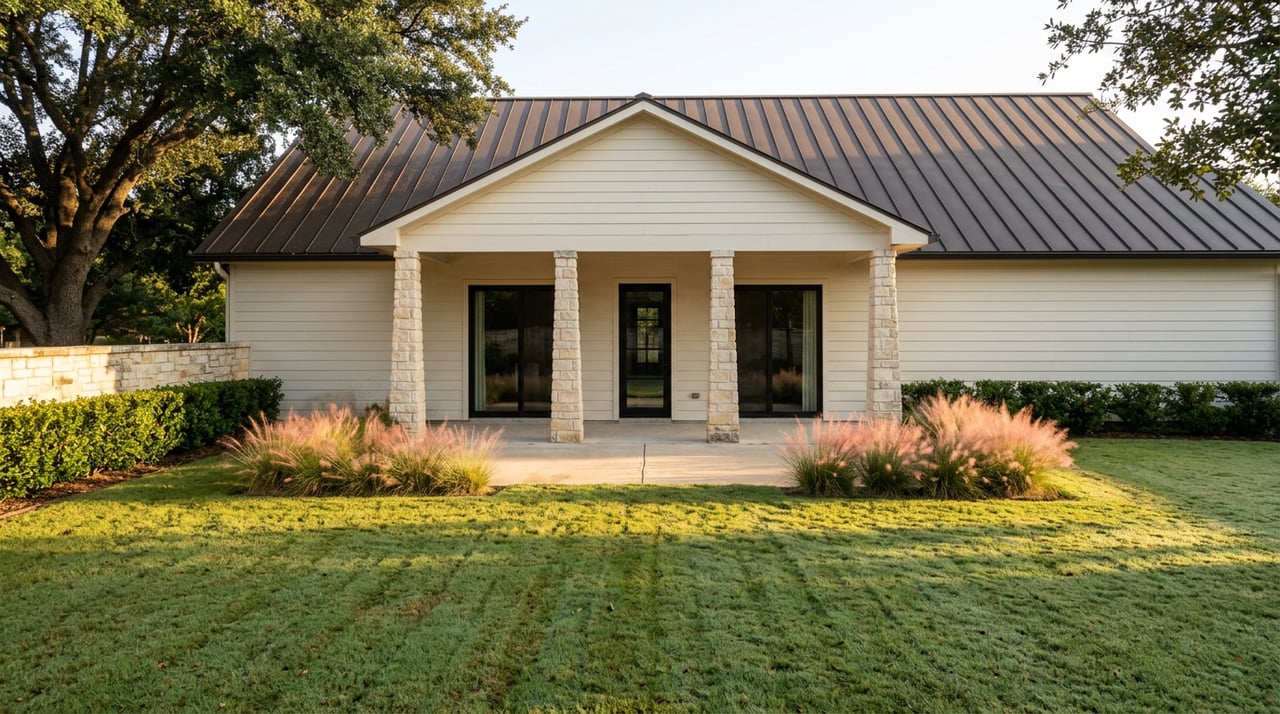
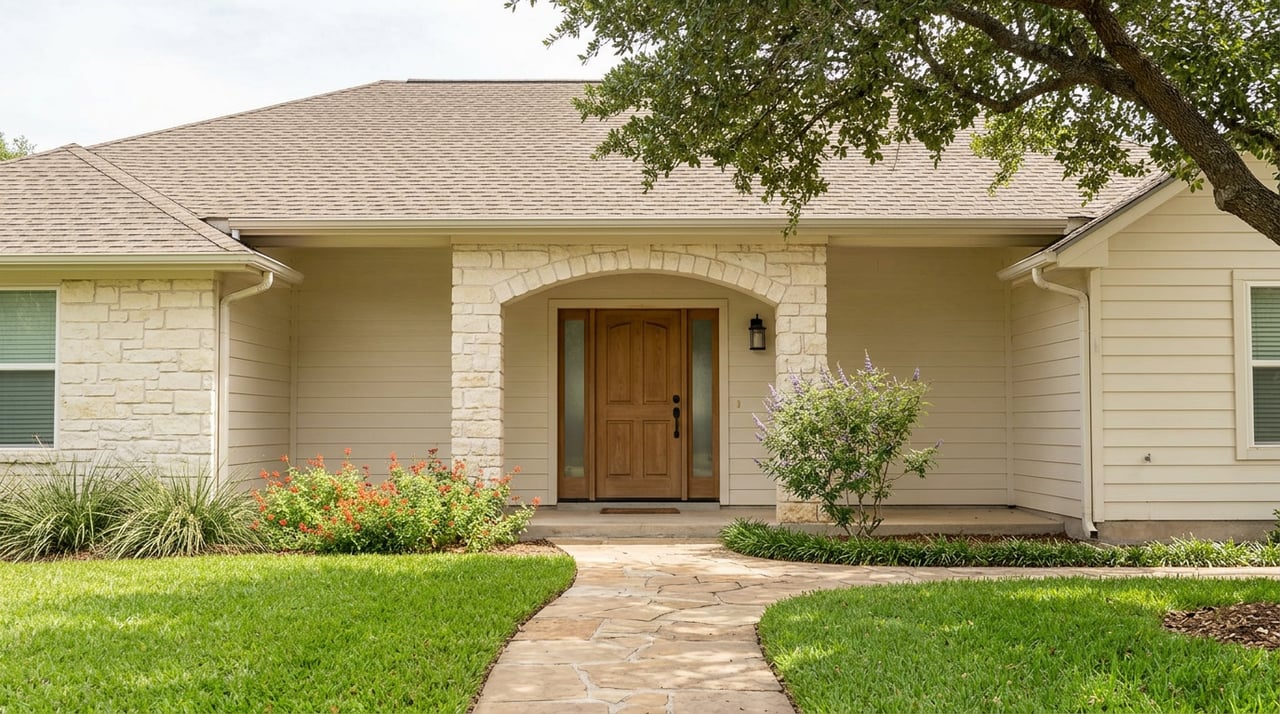
First impressions begin before buyers walk through the door. In resale, curb appeal is one of the clearest opportunities to create a stronger first look without overspending.
NAR reports that 97% of members say curb appeal is important to attracting a buyer, and 92% recommend improving it before listing. Standard lawn care and landscape maintenance also showed strong estimated cost recovery.
What works well in Temple
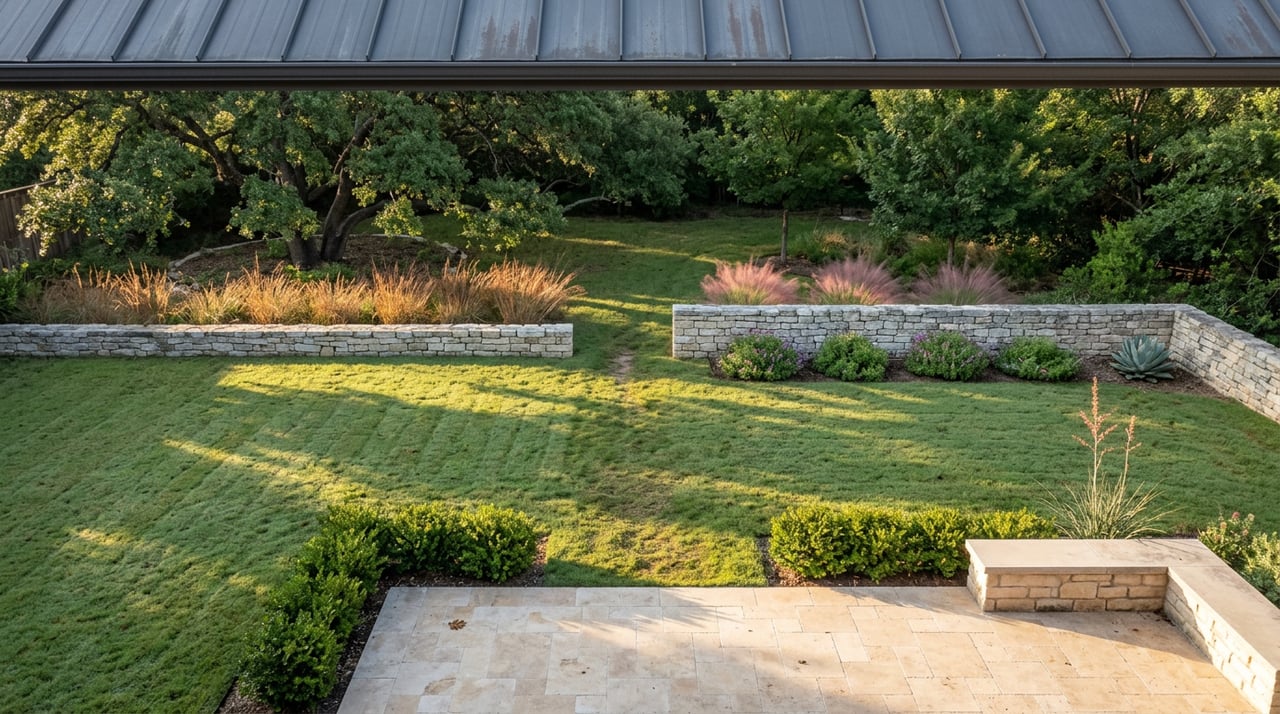
In Central Texas, landscaping has to hold up to heat, dry wind, and heavy rain. Texas A&M AgriLife Extension notes that native or xeric plantings and water-saving practices can be especially useful in Texas conditions.
For most Temple sellers, that means simple, neat, low-maintenance improvements are smarter than large landscape projects. Think clean rather than elaborate.
Focus on:
- Mowing and edging the lawn
- Trimming shrubs and tree limbs
- Adding fresh mulch to planting beds
- Clearing weeds and dead plants
- Sweeping the porch and front walk
- Cleaning the front door and entry lights
- Making sure house numbers are visible and tidy
Highlight maintenance and efficiency
Temple summers are no joke, and buyers pay attention to comfort and monthly costs. Energy-saving features are becoming more marketable, and many agents say highlighting them can add value in a listing.
If you have made efficiency upgrades, now is the time to gather the details. Buyers may respond well to improvements that suggest lower utility costs or dependable performance.
What to document
You do not need to oversell features. Just be ready to present them clearly and accurately.
Helpful items may include:
- HVAC service records
- Recent system replacements
- Window upgrades
- Added insulation
- Smart thermostats
- Other documented efficiency-related improvements
Even if your home does not have major upgrades, showing that cooling and utility systems have been maintained can still help reassure buyers.
Get ahead of Texas seller disclosures
Pre-list prep is not just about appearance. It is also about being organized before your home goes live.
Texas law requires sellers of previously occupied single-family residences to provide a Seller’s Disclosure Notice. The Texas Real Estate Commission states that the form covers material facts and the physical condition of the property, based on the seller’s knowledge.
Gather paperwork early
The smoother your paperwork is, the easier it can be to answer questions accurately and keep the process moving. Waiting until you are under contract can create unnecessary stress.
Before listing, collect:
- Repair invoices
- Warranty paperwork
- Roof documentation
- HVAC service records
- Appliance information
- Receipts for major updates or replacements
The Texas Property Code makes clear that the disclosure notice is not a substitute for inspections or warranties. Still, being prepared can help you complete it more confidently and avoid last-minute scrambling.
A practical Temple pre-list checklist
If you want to keep your prep focused, start with the basics that usually offer the strongest payoff in Temple’s current market.
Your pre-list priorities
- Declutter every major living space
- Remove personal items and excess furniture
- Deep clean the home
- Touch up or repaint worn walls
- Fix visible cosmetic issues
- Refresh the front entry and landscaping
- Gather maintenance and repair records
- Prepare for your Texas seller disclosure
These steps support the qualities many buyers are looking for right now: clean, well-maintained, and move-in ready.
The goal is not perfection
One of the biggest mistakes sellers make is over-improving for the market or getting stuck trying to make everything flawless. In Temple, the best return often comes from low-cost, visible improvements rather than large discretionary renovations.
Your goal is to reduce buyer hesitation. When your home looks clean, cared for, and easy to understand, buyers are more likely to connect with it online, schedule a showing, and make a serious offer.
If you are thinking about selling in Temple, a smart prep plan can help you avoid wasted money and focus on the updates that matter most. For guidance tailored to your home, your timing, and today’s local market, connect with Rachel Holman.
FAQs
What should I fix before listing my Temple home?
- Focus first on visible issues like worn paint, damaged trim, loose hardware, drywall flaws, roof concerns if needed, and anything that makes the home feel unfinished or poorly maintained.
Is staging worth it for a Temple home sale?
- Yes. NAR’s 2025 staging report found that staging helped buyers visualize a home, and many sellers’ agents said it reduced time on market.
How important is curb appeal when selling a home in Temple?
- Very important. Curb appeal helps create a strong first impression, and simple work like lawn care, mulch, trimmed shrubs, and a clean front entry can make a meaningful difference.
Do I need to remodel my Temple home before listing?
- Usually not. In most cases, low-cost visible improvements like decluttering, paint, repairs, and landscape cleanup offer a better return than major renovations right before listing.
What documents should I gather before selling a home in Texas?
- Start with repair invoices, warranty paperwork, roof records, HVAC service history, appliance details, and receipts for major updates so you can prepare your Seller’s Disclosure Notice more easily.