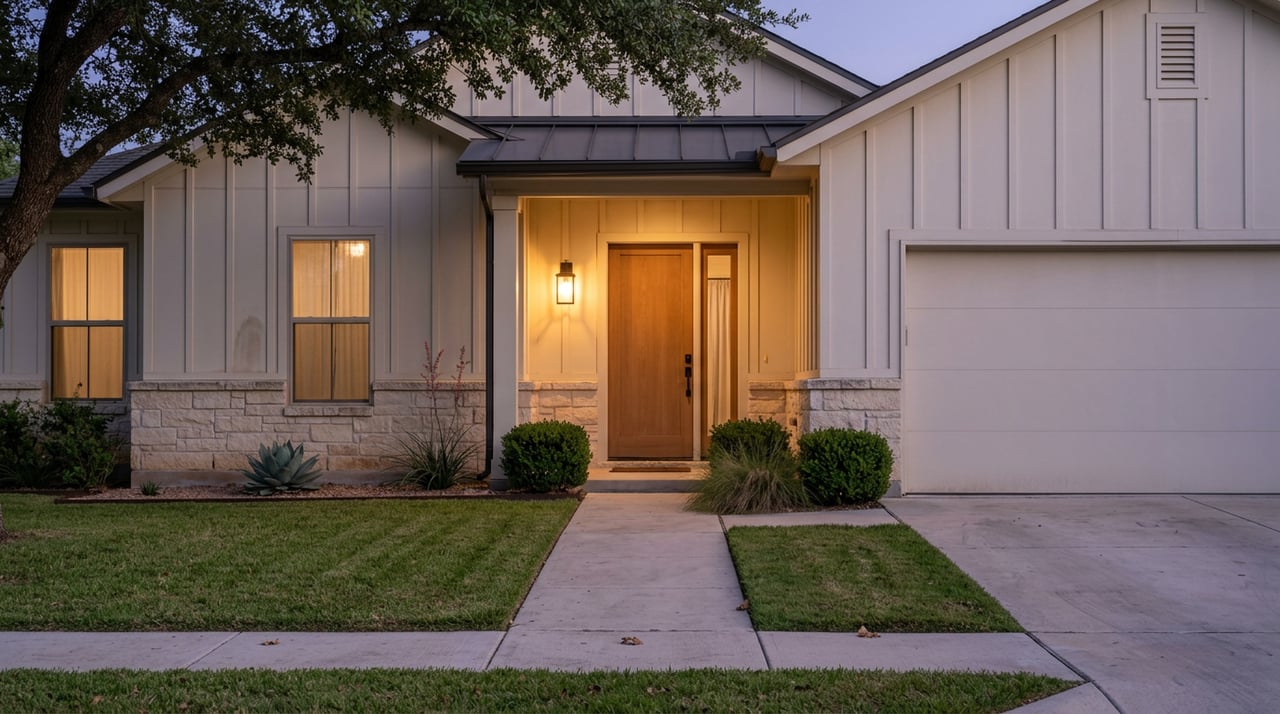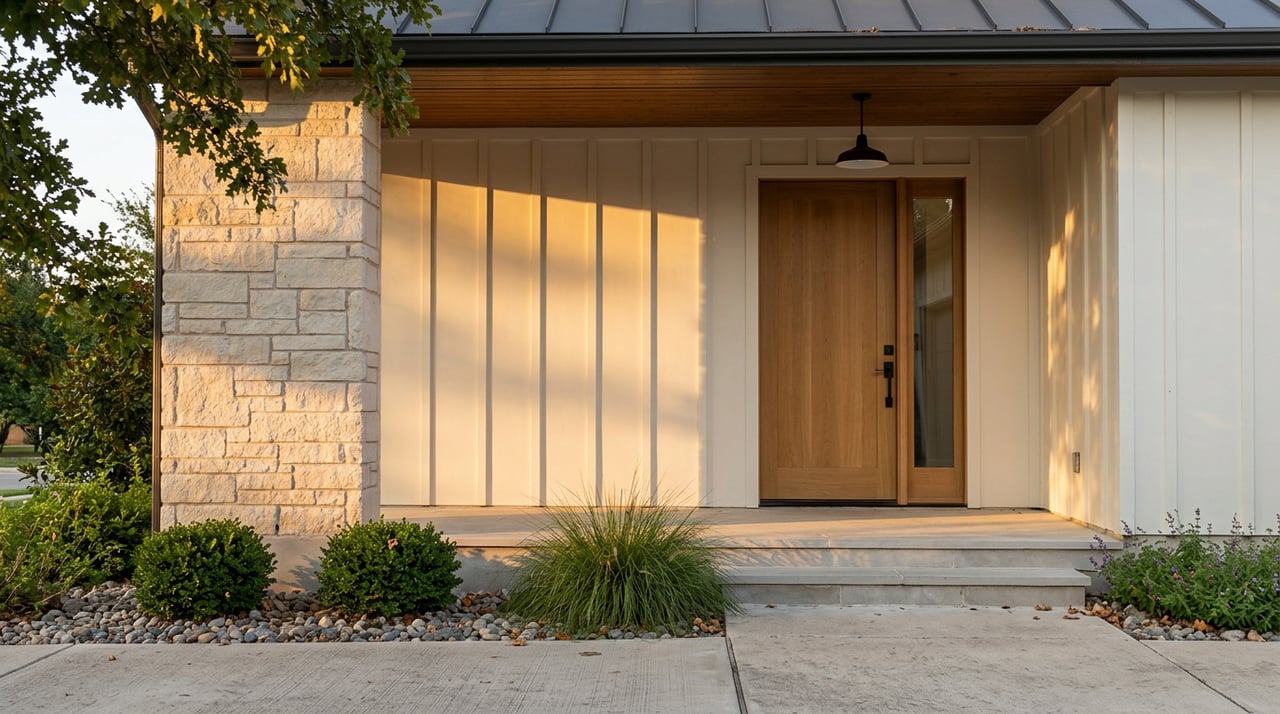
Thinking about buying a rental property in Temple, TX? You are not alone. With population growth, a near 50/50 owner-renter split, and a wide range of housing types, Temple can look appealing to investors who want steady demand and long-term upside. The key is knowing how to read the local numbers without making broad assumptions. In this guide, you will learn what Temple’s rental market looks like, how to think about rents and vacancy, and what Texas rules may affect your investment before you buy. Let’s dive in.
Temple rental market at a glance
Temple is a growing Central Texas city. Census QuickFacts estimates Temple had 98,412 residents in 2025, up 19.7% from 2020, along with 34,514 households.
That growth matters if you are looking at rental property. It points to a real housing base and ongoing demand, even though each property still needs its own careful analysis.
Temple also sits close to a balanced owner-renter mix. QuickFacts shows a 52.3% owner-occupied rate, which means the city is not overwhelmingly owner-occupied or renter-occupied.
For investors, that balance can be helpful. It suggests you are buying into a market where renting is a meaningful part of the local housing picture, not just a small niche.
Temple housing types investors will see
Temple’s housing stock is still mainly single-family. A recent city consolidated-plan display reports that 66% of the housing stock is 1-unit detached.
That matters because many investors shopping in Temple will likely see detached homes first. If you want a traditional long-term rental strategy, single-family options may be the most common starting point.
Temple also has a notable multifamily presence. The same city report shows 10% of housing is 2 to 4 units, 13% is 5 to 19 units, and 8% is 20 or more units.
The City of Temple’s 2024 water conservation plan also counted 40,679 residential connections, including 31,482 single-family and 9,197 multi-family accounts. That is a useful current snapshot of how the housing mix shows up on the ground.
Planning materials describe Temple’s market as principally single-family, while also noting an ongoing need for more multifamily housing and more affordable units. That tells you two things at once: single-family is the dominant product, and there may still be room for well-bought rental housing that fits local demand.
Temple rent ranges are not one-size-fits-all
One of the biggest mistakes investors make is treating a citywide rent average like a guarantee. In Temple, that can quickly lead to poor underwriting.
Current listing-based averages cluster around $1,595 per month across Zillow and Zumper, while RentCafe’s apartment-focused analysis shows a lower average of $1,156. These numbers are not directly comparable because they reflect different property types and methods.
That gap is actually useful. It shows Temple is not a one-price rental market.
A studio snapshot runs around $796 to $813. One-bedroom units are around $1,044 to $1,050, two-bedrooms around $1,183 to $1,200, and three-bedrooms around $1,525 to $1,595.
If you are looking at a single-family house, a duplex, or a larger apartment-style unit, you should not expect them to perform the same way. Bedroom count, condition, updates, and property type all affect where your rent may realistically land.
How to underwrite rent in Temple
When you analyze a rental in Temple, start with the property itself before looking at citywide averages. A renovated three-bedroom house and an older small apartment may both be in Temple, but they are serving different renter demand.
A smarter approach is to compare by:
- Property type
- Bedroom count
- Condition and updates
- Current competition in the market
- Likely renter profile based on the home itself
This helps you avoid overestimating income. It also gives you a more realistic picture of whether the numbers still work after expenses, vacancy, and repairs.
Rental demand and vacancy in Temple
An official Temple-specific rental vacancy rate was not surfaced in the public sources reviewed. That means you should be careful about anyone presenting a precise local vacancy number without showing a reliable source.
What we do know is that Temple shows active rental inventory on major platforms. Zillow reports 562 available rentals and describes the market as warm, while Zumper reported 396 available rentals on its platform as of July 2026.
That inventory tells you there is real leasing activity, but it also tells you there is competition. A vacant unit may not fill instantly just because the city is growing.
The practical takeaway is simple: budget conservatively. You should plan for vacancy, make-ready work, and turnover costs rather than assuming immediate occupancy at your target rent.
Older properties need extra caution
Temple’s planning materials note a gap in affordable units and an ongoing need for home rehabilitation programs for homeowners and landlords. If you are considering an older or lower-cost rental home, that is an important signal.
An attractive purchase price can hide future expenses. Older systems, deferred maintenance, and safety-related repairs can change your returns quickly after closing.
Before you buy, pay close attention to:
- Roof age and condition
- HVAC performance and age
- Plumbing and electrical updates
- Windows, doors, and locks
- General safety and repair needs
- The likely make-ready cost before leasing
For investors, disciplined due diligence often matters more than finding the cheapest listing. A property that looks like a bargain can become expensive if repair costs pile up right away.
Texas landlord rules to know before closing
If you are buying a rental property in Temple, you also need to understand the Texas rules that affect day-to-day ownership. In Texas, the lease is a major source of landlord-tenant terms, but state law also gives tenants certain protections.
According to the Texas Attorney General, tenants have the right to repairs for conditions that materially affect health or safety after proper notice. The Attorney General also states that seven days is presumed to be a reasonable repair period, absent facts showing otherwise.
Texas landlords must also provide smoke detectors and required security devices. These may include window latches, keyed deadbolts, sliding-door locks or bars, and door viewers, and they must be installed at the landlord’s expense.
State rules also restrict utility interruptions and prohibit retaliation for good-faith repair complaints for six months. For security deposits, landlords generally must return the deposit within 30 days after the tenant provides a forwarding address, along with itemized deductions if any money is withheld.
For an investor, these are not small details. They affect your budgeting, your lease setup, and your operating systems from day one.
Property taxes can change after conversion
If you are converting a home into a rental, property taxes deserve a close look. Texas does not have a state property tax, but property taxes are locally assessed and administered.
The Texas Comptroller states that residence homestead exemptions and the 10% annual appraisal cap apply only while a property qualifies as a principal residence. If that home becomes a rental, you should expect the tax treatment to change.
That can affect your monthly carrying costs more than many first-time investors expect. A deal that looks solid under an owner-occupied tax setup may look different once the exemption is removed.
Bell CAD also notes that its property-tax database is updated as local taxing entities propose and adopt rates. That means parcel-specific tax bills should be checked carefully before purchase instead of relying on rough estimates.
A practical checklist before you buy
If you are buying a rental property in Temple, keep your review process simple and thorough. The goal is not just to buy a property. The goal is to buy one that still works after realistic rent, vacancy, repairs, and taxes are factored in.
Use this checklist as a starting point:
- Confirm likely rent based on type, size, and condition
- Review current competing rentals in the same part of Temple
- Budget for vacancy and turnover
- Inspect carefully for deferred maintenance
- Verify smoke detectors and required security devices
- Review lease terms and repair obligations under Texas rules
- Check whether tax treatment will change after conversion to rental use
- Confirm parcel-specific property tax details through Bell CAD
A clear process can protect your downside. It can also help you move faster when the right opportunity shows up.
Why local guidance matters in Temple
Temple is not a market you should approach with a one-number strategy. Rent ranges vary, housing types vary, and property condition can play a major role in long-term performance.
That is why local knowledge matters. If you are comparing single-family homes, small multifamily options, or investment-friendly resale opportunities, you need someone who understands how Temple inventory, pricing, and property mix come together in real life.
Working with an agent who knows the Temple-Belton area can help you evaluate opportunities more clearly, spot red flags earlier, and negotiate with the numbers in mind. For investors, that kind of clarity can make a meaningful difference.
If you are exploring rental property opportunities in Temple or the surrounding Bell County area, Rachel Holman can help you evaluate the market with local insight and a practical, results-focused approach.
FAQs
What makes Temple, TX attractive for rental property investors?
- Temple shows population growth, a meaningful renter base, and a housing market that includes both single-family and multifamily options, which can create opportunities for different investment strategies.
What is the average rent for a rental property in Temple, TX?
- Rent figures vary by source and property type, with listing-based averages around $1,595 and apartment-focused averages around $1,156, so you should underwrite based on the specific property rather than a single citywide number.
Are single-family rentals common in Temple, TX?
- Yes. City planning data shows Temple’s housing stock is primarily 1-unit detached homes, making single-family rentals one of the most common property types investors are likely to encounter.
What Texas landlord rules should Temple rental property owners know?
- Texas landlords should understand repair obligations for health or safety issues, required smoke detectors and security devices, limits on utility interruptions and retaliation, and the general 30-day timeline for returning security deposits after a tenant provides a forwarding address.
How can property taxes change when you convert a Temple home into a rental?
- If a home no longer qualifies as a principal residence, homestead-related benefits like the residence homestead exemption and 10% appraisal cap may no longer apply, which can increase the property’s tax burden.
How should you estimate vacancy for a Temple rental property?
- Because a Temple-specific official vacancy rate was not surfaced in the reviewed public sources, it is smart to budget conservatively for vacancy, make-ready time, and turnover costs rather than assuming immediate occupancy.