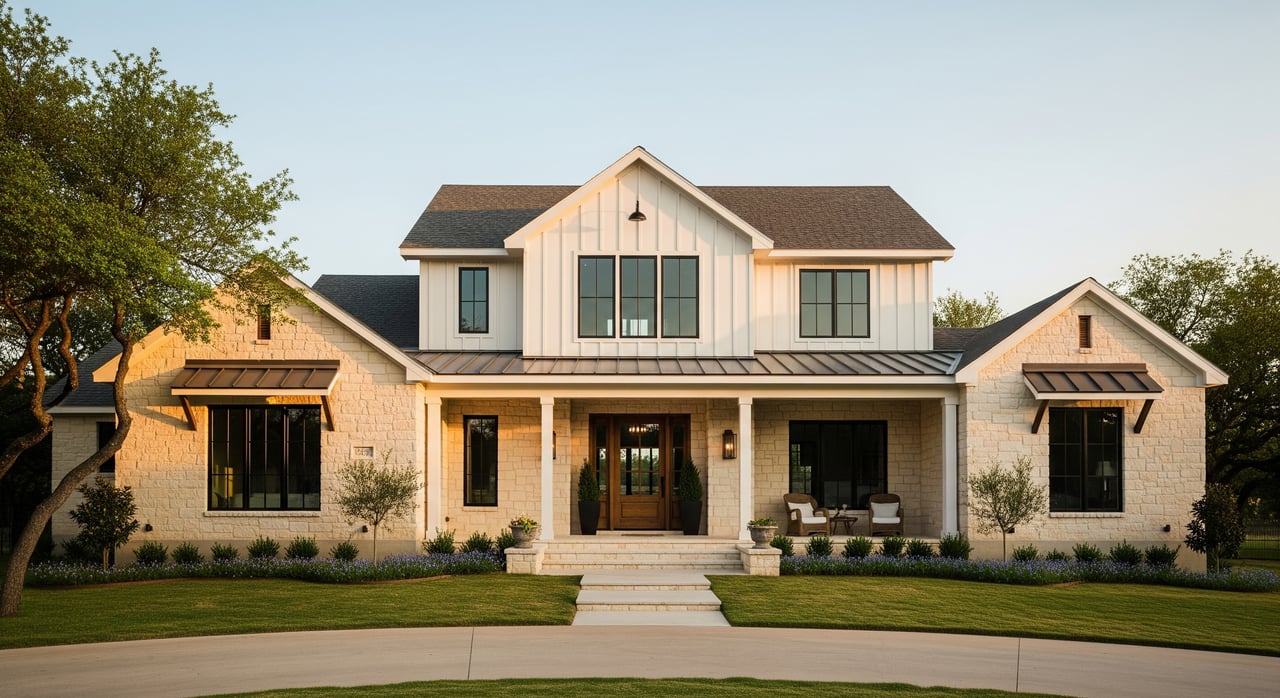
Thinking about selling your Temple home but not sure when to list? Timing can make a real difference in how fast you sell and what price you achieve. You want a plan that fits your goals and the realities of the Bell County market. In this guide, you’ll learn how seasonality works in Temple, where local demand comes from, and how to plan your prep timeline so you hit the market ready. Let’s dive in.
Best time to sell in Temple
If your goal is to maximize buyer activity and price potential, the best window to list in Temple is typically spring. Buyer demand usually builds in March and stays strong through May, with steady closings into early summer. Families often try to move before the new school year, which keeps summer transactions active.
Late fall and winter tend to be quieter. That can still work in your favor if you want less competition, but the buyer pool is smaller. Local factors like military moves and major employer activity can shift the balance in any given year, so it is smart to check recent MLS numbers before you finalize your date.
Spring brings peak demand
Spring is when listings look their best and showing activity often peaks. Days are longer, curb appeal improves, and buyers are out in force. If you want to push for top price, plan to go live in March to May, with your prep wrapped up beforehand.
Summer closings stay strong
Temple’s heat can slow daytime showings in July and August, but buyers still close in summer to be settled before school starts. Highlight comfort features like efficient HVAC and shaded outdoor areas. Virtual tours can help buyers who want to avoid midday showings.
Early fall offers balance
If you want a solid price without peak-season competition, September to October can strike a nice balance. Many buyers who missed spring are still motivated, and you may face fewer new listings.
Winter can work with less competition
Late November through February usually sees fewer buyers and fewer listings. If you value speed, are comfortable with fewer showings, or need to sell with minimal hassle, winter can still deliver a clean, efficient sale when you price and present well.
Temple-specific drivers to watch
Temple and greater Bell County have unique forces that affect timing and demand. These add nuance to the typical seasonal pattern and can meaningfully shape your strategy.
Fort Cavazos PCS cycles
Permanent Change of Station cycles at Fort Cavazos often create surges in both listings and buyers, especially from late spring into summer. This can boost activity in certain price ranges and layouts. Each year’s timing varies by unit, so ask your agent for current insights.
Steady demand from healthcare employers
Major healthcare employers in Temple, including Baylor Scott & White facilities, support consistent housing demand year-round. Hiring waves or expansions can tighten supply and help pricing, even outside peak season.
New construction near your neighborhood
Active homebuilding can increase nearby inventory and affect pricing for resales. If new homes launch near your property, it pays to understand their features and price points so you can position your home competitively.
Commuter access expands the buyer pool
Temple’s location between larger employment corridors draws buyers seeking value with manageable commutes. Highway and rail access help maintain interest throughout the year.
Choose your timing: a simple framework
Start with three quick questions to align timing with your goals.
1) Do you have a firm deadline?
If you need to close by a set date for a job move or to avoid carrying two mortgages, list early enough to close within 30 to 60 days. Pair a competitive price with strong staging and photography to drive early interest.
2) Is top price your priority?
If you want the best chance at top price, plan to list in spring when buyer activity typically peaks. Begin prep 8 to 12 weeks ahead so your home is fully ready on day one.
3) Prefer a balance of price and convenience?
If you are flexible, aim for late spring or early fall. You will catch motivated buyers while competing with fewer new listings than peak spring weeks.
A 3–6 month prep timeline
You do not need to overthink prep, but timing the steps matters. Use these checklists to work backward from your ideal list date.
If listing in about 90 days
- Weeks 1–2
- Interview 2 to 3 local agents and select one.
- Request current MLS data for Bell County: months’ supply, median days on market, list-to-sale price stats, and nearby comps.
- Gather documents: deed, mortgage payoff estimate if applicable, prior survey if available.
- Weeks 2–3
- Do a full walkthrough with your agent and prepare a prioritized repair list.
- Consider a pre-listing inspection if your home is older or you expect buyer scrutiny.
- Weeks 3–6
- Complete repairs and high-impact updates: neutral paint, plumbing or electrical fixes, roof or HVAC attention as needed.
- Declutter, deep clean, and arrange storage for extra items.
- Refresh curb appeal: mulch, mow, edge, power wash, and touch up exterior paint.
- Weeks 6–7
- Stage with a pro or follow your agent’s staging checklist.
- Schedule professional photos, a floorplan, and a virtual tour.
- Prepare disclosures and utility information. Finalize pricing strategy by reviewing comps and price bands.
- Weeks 8–9
- Consider pre-market exposure if your agent uses it.
- Finish touch-ups and confirm the marketing plan: MLS launch timing, social media, and open houses.
- Weeks 10–12 (List Week)
- Go live at a day and time your agent recommends. Many sellers prefer early week to build online views before weekend showings.
- Monitor feedback and be ready to adjust if showings are slow after two weeks.
If listing in about 180 days
- Months 1–2
- Select your agent and line up larger projects that require bids and scheduling.
- Plan any value-adding updates such as a kitchen refresh, flooring, major landscaping, or roof/HVAC work.
- Months 3–4
- Complete renovations and major repairs.
- Declutter and begin staging decisions while rooms are open and clean.
- Months 5–6
- Finalize staging and schedule professional media.
- Review the latest comps and set your pricing strategy.
- Time your list date to match your preferred buyer activity window.
Prep priorities that pay off
- Safety and major systems (roof, HVAC, electrical, structural).
- Curb appeal and landscaping.
- Neutral cosmetic updates (fresh paint, simple flooring fixes).
- Declutter and deep clean.
- Professional photography and online-ready staging.
Pricing, marketing, and negotiations by season
Your pricing and marketing should reflect both the season and your neighborhood’s dynamics.
- Pricing strategy
- In spring, you can be slightly more aggressive because buyer traffic is higher. Still, overpriced homes can stall and lose momentum.
- Use comps from the last 30 to 90 days and consider common search price bands to maximize visibility.
- Days on market expectations
- DOM varies by subdivision and price tier. Ask for median DOM on homes like yours to set expectations and plan your timeline.
- Seasonal marketing focus
- Spring: Lean into curb appeal, bright photography, and weekend open houses.
- Summer: Promote energy efficiency and cooling features; add virtual tours to widen the buyer pool.
- Fall: Stage for cozy interiors and stress your recent maintenance.
- Winter: Emphasize convenience, flexible showings, and savings for motivated year-end buyers.
- Negotiation levers
- Depending on the market balance at listing time, consider concessions, closing timeline flexibility, credits from a pre-inspection, or including appliances.
Check these indicators before you list
Ask your agent to pull current, hyper-local data so you choose the right week and price.
- Months’ supply of inventory in Temple and your neighborhood
- Median list and sale prices over the past 30 to 90 days
- Median days on market for comparable homes
- Percent of original list price received
- New listings compared with pendings and closings in the past 30 days
- Recent comparable sales and active competing listings
- Buyer traffic metrics: showings and online views for comps
- Common financing types in your price range (cash, conventional, VA)
When to go live during the week
Micro-timing matters. Many agents favor launching early in the week to build online views and schedule showings through the weekend. This can create strong first-week momentum and position you for quick feedback and early offers.
Final thoughts
There is no one-size-fits-all answer, but a smart plan is simple. If you want the best odds for top price, target spring and prepare 2 to 3 months ahead. If you need to move quickly, list as soon as you are ready with standout marketing and a realistic price. If you want balance, late spring or early fall can be a great fit. Pair your timing choice with fresh comps and local insights for the best outcome.
Ready to talk timing for your home in Temple or greater Bell County? Connect with Rachel Holman for a data-informed plan, expert staging and marketing, and clear next steps. Get Your Free Home Valuation.
FAQs
When is the best season to sell a home in Temple, TX?
- Spring, especially March through May, typically brings peak buyer activity and strong curb appeal, with steady closings continuing into early summer.
Does Fort Cavazos impact the best time to list in Temple?
- Yes. PCS move cycles often increase listings and buyer demand in late spring and summer, affecting certain price ranges and floorplans each year.
Is winter a bad time to sell in Bell County?
- Not necessarily. Winter has fewer buyers, but there can also be less competition. With solid pricing and presentation, you can still achieve a successful sale.
How far in advance should I prepare before listing my Temple home?
- Plan 8 to 12 weeks of prep for a spring listing. For larger projects, start 4 to 6 months ahead so you can hit your ideal date with everything ready.
What market data should I review before choosing a list date?
- Review months’ supply, median days on market, list-to-sale price ratios, recent comparable sales, and the mix of new listings versus pendings in the last 30 days.